Entry · Ref P87DHLHL
The Role of a General Dentist in Aurora in Preventive Dental Care
- Posted
- 2026-09-22
- Last amended
- 2026-09-22
- Account
- @spencerouep691
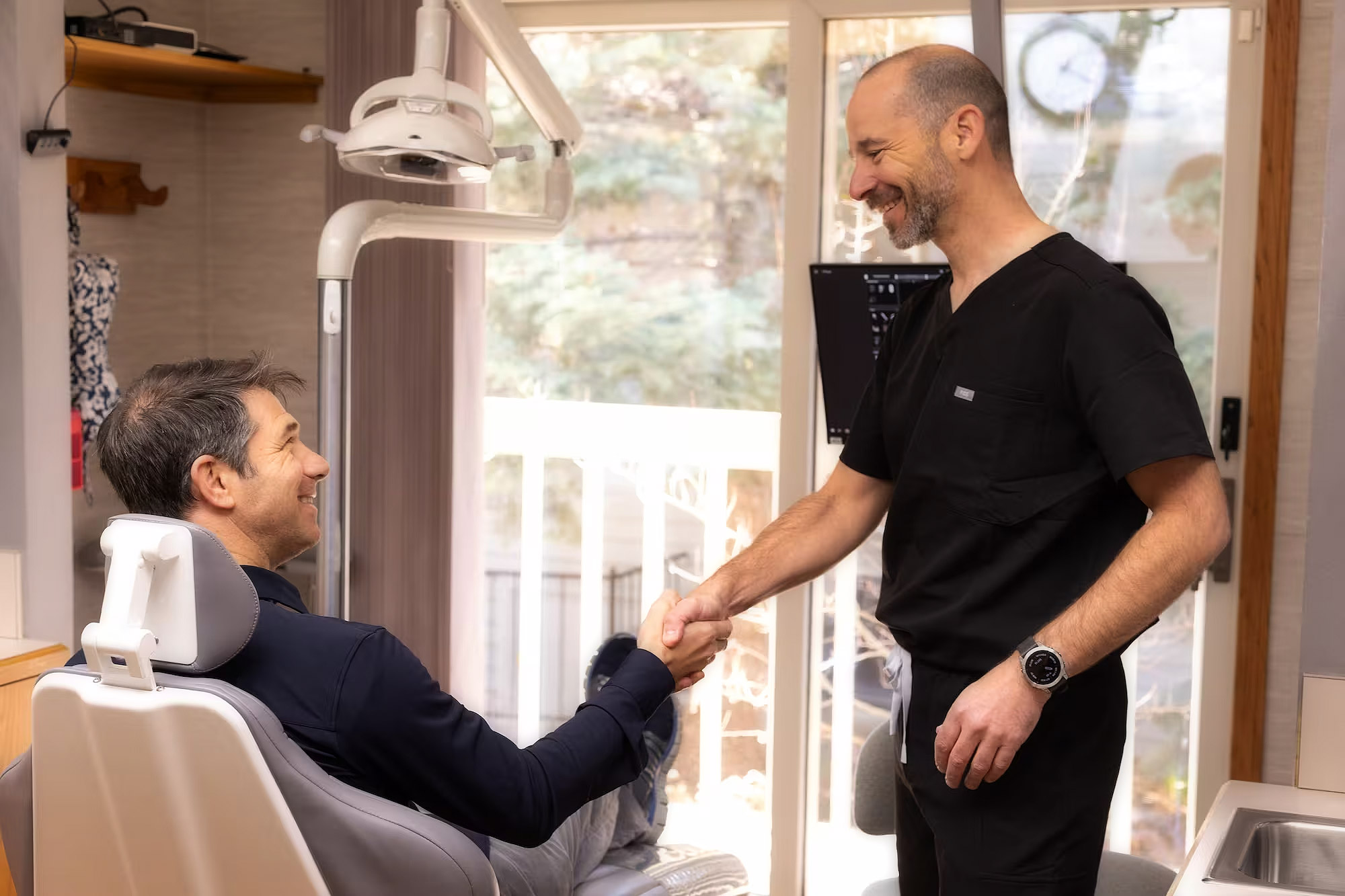
Preventive dental care sounds simple on paper. Brush, floss, get a checkup, repeat. In practice, it is rarely that tidy. People miss appointments because work runs late. A sensitive molar gets ignored until it becomes a weekend emergency. A child who tolerated cleanings at six suddenly resists everything at nine. An older adult assumes loose teeth are just part of aging. This is where a general dentist becomes far more than a provider of routine cleanings.
A skilled general dentist in Aurora often serves as the first line of defense against problems that are easier, less expensive, and less painful to stop early than to repair later. That role matters in every stage of life. It matters for the teenager with braces-related plaque buildup, the parent grinding through stress, the retiree managing dry mouth from medications, and the newcomer to the area trying to establish a baseline after years of inconsistent care.
Preventive dentistry is not passive. It is active observation, pattern recognition, patient education, timing, and judgment. It depends on someone noticing small changes before they become obvious symptoms. It also depends on trust. Patients are more likely to follow through on advice when it comes from a clinician who understands their habits, health history, and daily constraints.
Prevention is more than a cleaning every six months
Many patients equate prevention with the polishing cup and the minty rinse at the end of an appointment. Those are only visible parts of a much broader process. A routine visit gives the general dentist a chance to look for early decay, gum inflammation, changes in bite, enamel wear, cracked fillings, oral cancer warning signs, and the subtle indicators that something else may be brewing.
A small cavity, for instance, may not hurt at all. Gum disease in its earliest stage may present as occasional bleeding that a patient dismisses because it stops quickly. A person with acid erosion may blame “sensitive teeth” without realizing that reflux, sports drinks, or frequent snacking are weakening enamel. Preventive care is effective because it catches what patients usually cannot see and often cannot feel.
This is particularly important in a growing community like Aurora, where families, professionals, and older adults all bring different oral health needs into the same practice. A General Dentist Aurora residents rely on has to be prepared for that range. The role is not limited to treating disease. It includes anticipating it.
The exam chair is where patterns emerge
One of the least appreciated aspects of general dentistry is continuity. Over time, a dentist who sees a patient regularly develops a practical understanding of that person’s normal baseline. That baseline matters. It helps the dentist detect a new area of recession, a shift in bite, a suspicious soft tissue change, or bone loss that may be invisible to the patient.
A single exam can reveal a lot, but several years of consistent exams reveal patterns. Maybe a patient keeps breaking the same filling because of nighttime clenching. Maybe every winter brings more plaque accumulation because sinus congestion leads to mouth breathing and dryness. Maybe a child who once had no cavities starts showing demineralization around age twelve because oral hygiene slipped after orthodontic treatment began. These are not dramatic discoveries. They are the slow-moving realities of preventive care.
In my experience, the best preventive dentists are meticulous without being alarmist. They know when to watch, when to intervene, and when to explain that not every stain is decay and not every ache requires major treatment. That judgment protects patients from both neglect and overtreatment.
What a general dentist is really watching for
During preventive appointments, the dentist is evaluating more than one problem at a time. Oral health does not break neatly into separate boxes. Teeth, gums, jaw function, saliva, restorations, and habits all influence one another.
A thorough preventive visit often focuses on several areas at once:
- signs of early tooth decay, including weak spots in enamel and worn margins around old fillings
- gum health, especially bleeding, pocketing, recession, and tartar buildup below the gumline
- bite function, clenching, grinding, cracked teeth, and jaw joint strain
- oral tissues, including the tongue, cheeks, floor of the mouth, and palate for suspicious changes
- risk factors tied to daily life, such as diet, smoking, vaping, medications, dry mouth, or poor sleep
None of these categories exists in isolation. A person with dry mouth from blood pressure medication may develop cavities faster. A person under stress may clench, chip a tooth, and inflame jaw muscles. A person with inflamed gums may avoid flossing because it bleeds, which then worsens the inflammation. Preventive care works best when a general dentist sees these relationships and adjusts advice accordingly.
The value of early intervention
Patients often remember the dramatic appointments, the crown, the root canal, the emergency extraction. Yet the appointments that save the most time, money, and tooth structure are usually the quieter ones. Catching a lesion when it is still small can mean a conservative filling instead of a crown. Identifying gum disease in its reversible stage can prevent bone loss that later requires deep cleanings or periodontal referral. Spotting a cracked cusp before it fractures down to the nerve can spare a patient a much more complicated repair.
There is also a financial truth that should not be ignored. Preventive dentistry is generally the least expensive category of dental care. Once disease progresses, costs rise quickly, especially when multiple visits, lab work, or specialist treatment enter the picture. For families budgeting healthcare expenses, that difference matters.
The same is true for comfort. Most people would rather sit through a standard checkup than an emergency visit after two nights of throbbing pain. Prevention is not only about avoiding disease. It is about preserving normalcy. People want to eat comfortably, sleep without pain, smile without embarrassment, and get through their week without making room for a dental crisis.
Education is part of treatment, not an optional extra
A strong preventive dentist does not simply identify problems. They translate them into actionable advice that fits the patient’s life. That sounds obvious, but it is where many plans succeed or fail.
Telling a patient to “floss more” is not enough. If the patient has crowded lower teeth, sensitive gums, and inconsistent evening General Dentist Aurora routines, the advice needs to become more specific. Maybe floss picks by the couch work better than traditional floss at the sink. Maybe a water flosser improves compliance. Maybe the patient needs to hear that bleeding is often a sign of inflammation, not a reason to stop cleaning the area.
The same principle applies to diet. People know sugar contributes to decay. Many do not realize that frequency can matter as much as quantity. Sipping sweetened coffee all morning, grazing on crackers during long shifts, or relying on sports drinks after workouts can keep the mouth in a prolonged acidic state. A general dentist who takes two minutes to ask about these habits may prevent multiple cavities over the next year.
Children and adolescents especially benefit from this kind of practical coaching. Parents are often surprised to learn that a child’s oral health risk can change fast, especially after new orthodontic appliances, changes in independence, or a shift in diet. Preventive guidance has to evolve as the child grows.
Aurora patients do not all need the same schedule
The familiar six-month recall is useful, but it is not sacred. Some patients do very well with exams and cleanings twice a year. Others need to be seen more often. A general dentist in Aurora providing thoughtful preventive care will tailor frequency to risk, not tradition alone.
A patient with a history of repeated decay, active gum disease, heavy tartar buildup, diabetes, or dry mouth may benefit from visits every three to four months. Someone with excellent home care, low cavity risk, healthy gums, and stable restorations may remain on a standard schedule without issue. The decision should reflect current findings, not habit.
That customization is one of the clearest signs that prevention is being taken seriously. Cookie-cutter schedules are easy. Individualized risk management takes more attention.
Preventive care across different life stages
The role of a general dentist changes as patients age, even though the preventive foundation remains the same.
For young children, prevention often centers on education, cavity risk, fluoride exposure, sealants, eruption patterns, and creating a positive relationship with dental care. These early years matter more than many parents realize. A child who develops trust in the dental setting is far easier to help later.
For teenagers, the challenges often shift toward inconsistent home care, sports injuries, orthodontic appliances, high-sugar beverages, and the beginning of wear from grinding or stress. This is also the stage when white spot lesions can appear quickly around brackets if hygiene slips.
Adults bring a wider mix of pressures. Pregnancy can affect gum health. Work stress can intensify clenching. Cosmetic concerns may draw attention to chips, staining, or old restorations. Some adults return to care after long gaps and need a measured, nonjudgmental approach to get back on track.
Older adults often face dry mouth, root exposure, medication-related changes, dexterity issues, and the maintenance of crowns, bridges, implants, or partial dentures. Preventive care becomes increasingly important because aging teeth can remain healthy for decades with good maintenance, but they may also become more vulnerable if conditions change.
A good general dentist does not apply the same script to every age group. They adapt the message, the pace, and the preventive plan.
The connection between oral health and overall health
Dentists should be careful not to overstate systemic links, but some connections are well established enough to matter in everyday practice. Gum inflammation can complicate diabetes management. Dry mouth caused by medications can sharply increase cavity risk. Sleep-disordered breathing may show up as tooth wear, scalloped tongue edges, or chronic morning dryness. Eating disorders, reflux, and autoimmune conditions can all leave marks in the mouth before a patient fully appreciates what is happening.
This does not mean the dentist replaces the physician. It means the general dentist often notices early signs that deserve a broader conversation. Preventive care includes knowing when to refer, when to coordinate, and when to encourage a patient to seek medical evaluation.
That interdisciplinary awareness is especially valuable in a long-term dental relationship. Patients may mention a new medication, cancer treatment, pregnancy, or diagnosis casually during a dental visit. For a preventive-minded dentist, those details are not side notes. They are risk factors that can affect everything from saliva flow to healing to susceptibility to infection.
Technology helps, but judgment still leads
Modern dental practices often use digital radiographs, intraoral cameras, caries detection tools, and more precise charting systems. These are useful advances. They improve visibility, support patient education, and help monitor changes over time. When a patient can see the crack line, the recession, or the worn filling on a screen, the conversation becomes clearer.
Still, technology does not replace clinical judgment. A radiograph may show an area to monitor, but it takes experience to decide whether it calls for immediate treatment or careful observation. A high-tech image is only as valuable as the interpretation behind it. Preventive dentistry remains a hands-on, judgment-driven discipline.
Patients sometimes assume more technology automatically means better care. Often it means better information. Better care comes from how that information is used. A thoughtful General Dentist Aurora families return to year after year combines modern tools with restraint, communication, and practical decision-making.
Why preventive care often fails, even when people mean well
Most patients do not neglect their teeth on purpose. Prevention tends to break down for ordinary reasons. Schedules get crowded. Dental anxiety leads to postponement. Insurance limitations create hesitation. A patient feels fine and assumes nothing is urgent. Small symptoms stay small until they suddenly do not.
There is also the problem of mixed messages. Some patients have been told for years that they are “doing great,” then discover advanced gum disease at a new office. Others receive treatment recommendations without understanding why timing matters. That inconsistency can undermine trust.
When preventive care works, it usually has a few practical features:
- the patient understands their specific risk, not just general advice
- the office has a reliable recall system and communicates clearly
- findings are explained in plain language with photos or images when helpful
- home care recommendations are realistic enough to maintain
- follow-up is guided by current risk, not a one-size-fits-all routine
These are not glamorous details, but they shape outcomes. Dentistry is full of small habits and repeated behaviors. Prevention succeeds when those habits become manageable for real people with real limitations.
The relationship piece patients underestimate
One of the strongest assets a general dentist brings to preventive care is familiarity. That may sound soft compared with clinical skill, but it has real value. Patients are more likely to mention a small concern to someone they know. They are more likely to admit they have stopped wearing a night guard, switched medications, or struggled to keep up with hygiene after surgery or a family crisis.
That honesty helps the dentist intervene early. It also allows care to be adjusted without shame. A patient who has not flossed regularly in six months does not need a lecture. They need a reset plan that General Dentist Aurora they can actually follow. A patient who is grinding through a stressful year may need a replacement guard and a conversation about muscle tension, not criticism about another chipped filling.
Long-term relationships also create continuity for families. Parents can model dental care for children. Adult siblings may share similar cavity patterns or gum issues. Older family members may need help transitioning to more supportive tools if manual dexterity declines. The general dentist often becomes the healthcare professional who watches these patterns unfold over years.
Preventive dentistry is local, practical, and personal
The best preventive care is rarely flashy. It is the filling that never had to become a crown. The lesion that got monitored and stabilized. The oral cancer screening that stayed normal, year after year, because someone kept checking. The child who reached adolescence with sealants intact and no fear of the dental chair. The adult whose grinding was caught before repeated fractures set in.
For residents seeking a General Dentist Aurora offers many choices, but preventive care should remain one of the clearest measures of quality. Does the dentist look beyond the immediate complaint? Do they explain risk in a way that makes sense? Do they tailor recall intervals, discuss habits without judgment, and track changes over time? Do they treat prevention as central to care rather than an add-on between larger procedures?
That role is not minor. It is foundational. A general dentist protects oral health not only by fixing what is broken, but by noticing what is changing, teaching what matters, and intervening while problems are still small enough to manage simply. For most patients, that steady, preventive relationship does more to preserve long-term dental health than any single procedure ever will.
Aspenwood Dental Associates and Colorado Dental Implant Center
Address: 2900 S Peoria St Ste C, Aurora, CO 80014
Phone number: +13037314037
FAQ About General Dentist Aurora
What is meant by general dentistry?
General dentistry refers to the primary, foundational tier of oral healthcare, focused on the prevention, diagnosis, and treatment of conditions affecting the teeth, gums, and jaw. General dentists serve as a patient's main, long-term dental care provider—much like a primary care physician.
What is general dentistry and orthodontics?
General dentistry and orthodontics are two specialized branches of dental care. General dentistry serves as your primary care for overall oral health, focusing on routine cleanings, fillings, and disease prevention. Orthodontics is a specialized field focused entirely on diagnosing and correcting misaligned teeth and jaw structures using braces or clear aligners.
What are type 3 dental services?
Type 3 dental services typically include major restorative treatments that repair or replace damaged or missing teeth. These services are more complex and costly than preventive or basic dental care. Common examples of type 3 dental services include: Dental crowns.