Entry · Ref WLSBI3UX
Dental Emergency Aurora Warning Signs You Should Never Ignore
- Posted
- 2026-11-17
- Last amended
- 2026-11-17
- Account
- @spencerouep691
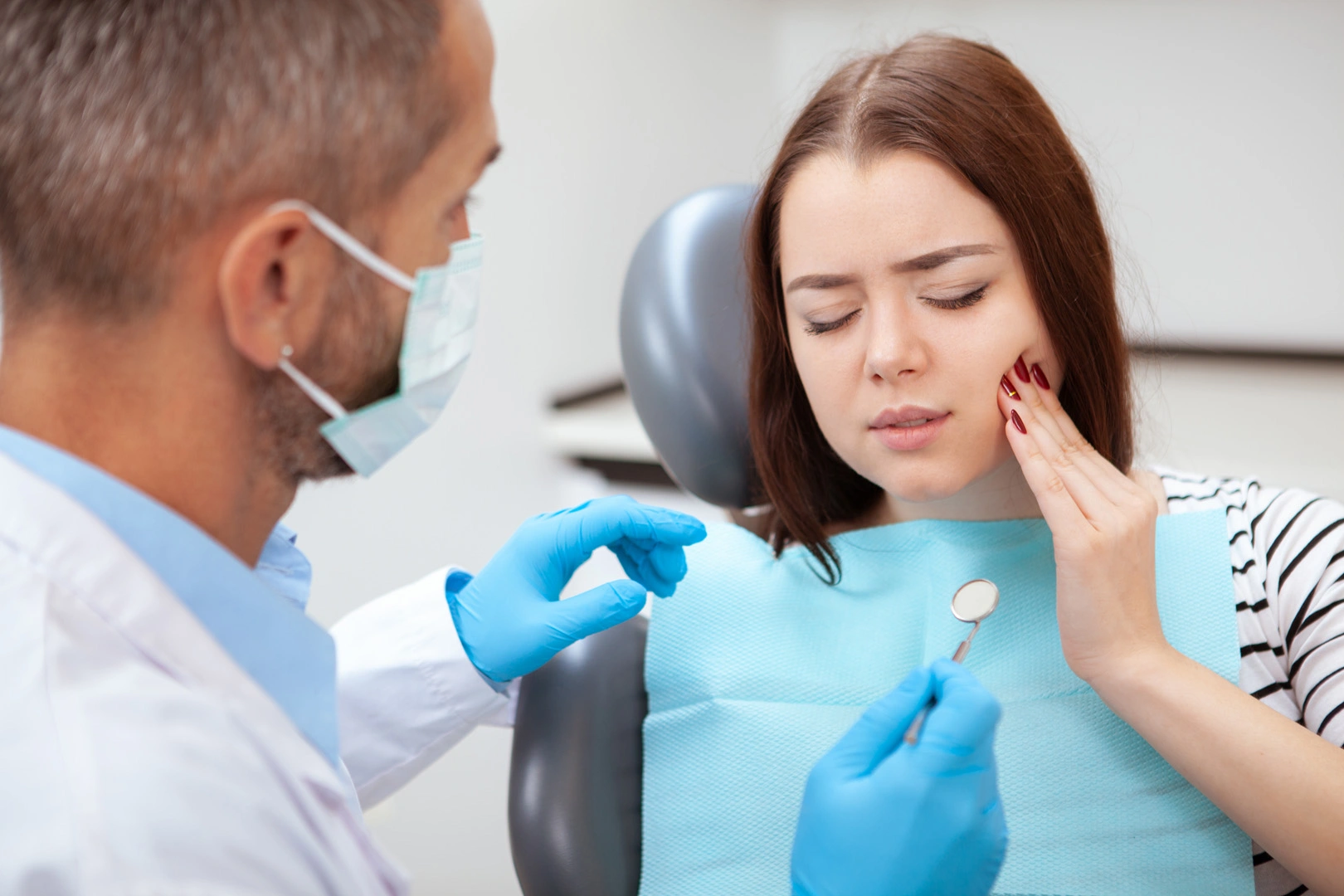

Dental pain has a way of taking over everything. It can start as a faint ache while you drink coffee, then by evening it is all you can think about. In a busy community like Aurora, people often try to work around oral pain for a day or two, hoping it will settle down on its own. Sometimes it does. Often, it does not. The difference between a minor issue and a true dental emergency is not always obvious in the moment, especially when stress, swelling, or bleeding are involved.
That uncertainty is exactly what gets people into trouble. A cracked tooth that seems manageable at breakfast can expose the nerve by dinner. Mild swelling along the gumline can turn into a serious infection overnight. A knocked out tooth has a narrow window for the best chance of saving it. When patients finally come in and say, “I thought I could wait,” the story is usually the same. The pain changed, the swelling spread, or the damage became more expensive to fix than it would have been a day earlier.
If you are trying to judge whether you need urgent care, the most useful question is not whether the pain is unbearable. It is whether the problem is active, worsening, or affecting structures beyond the tooth itself. A true Dental Emergency Aurora situation often involves infection, trauma, bleeding that will not stop, or symptoms that interfere with eating, sleeping, swallowing, or breathing.
The line between urgent and routine dental problems
Not every dental problem needs same day care. A lost filling, mild tooth sensitivity, or a small chip with no pain may be uncomfortable, but these can sometimes wait for a prompt scheduled visit. The challenge is that dental conditions do not stay still. Teeth do not heal the way skin does. Once a tooth is cracked, infected, or structurally compromised, time usually works against you.
That is why experienced dentists listen closely to how symptoms began and how they changed. Sharp pain when biting suggests something different from spontaneous throbbing that wakes you at night. A localized sore gum is different from facial swelling that seems to spread by the hour. Bleeding after brushing is not the same as bleeding that continues after an injury. The details matter.
There is also a practical point many people overlook. When an issue is treated early, the fix is often simpler. A minor fracture may be restored. A deeper fracture may require a crown. A crack into the pulp may require root canal treatment. A tooth split below the gumline may not be savable at all. Delay can turn a repair into a rescue attempt.
Warning signs you should never brush off
Certain symptoms deserve fast attention, even if you are not sure what caused them. These are the signs that most often point to a genuine emergency rather than a routine dental appointment.
- Severe tooth pain that is constant, throbbing, or keeps you from sleeping.
- Swelling in the gums, jaw, cheek, or face, especially if it seems to be getting worse.
- A knocked out, loose, displaced, or broken tooth after trauma.
- Bleeding in the mouth that does not stop with pressure after several minutes.
- Signs of infection such as pus, a foul taste, fever, or pain when swallowing.
Any one of these can justify urgent evaluation. When several appear together, the situation can become serious quickly.
Pain that changes character is often a red flag
People usually think of severity first, but the pattern of pain often tells a clearer story. Dull sensitivity to cold can suggest an exposed root, enamel wear, or a small cavity. Sharp pain on release after biting can point to a crack. A deep, throbbing ache that radiates into the jaw, ear, or temple often means inflammation has reached the nerve or the surrounding tissues.
The pain that worries clinicians most is pain that becomes spontaneous. If your tooth hurts without you touching it, if it pulses while you lie down, or if it wakes you from sleep, that usually means the issue has progressed beyond simple irritation. At that stage, the pressure inside the tooth may be increasing, and over the counter pain relievers may only dull the edges of what is happening.
Another clue is lingering pain after hot or cold exposure. If you sip cold water and the pain hangs on for thirty seconds or longer, that is different from a quick zing that fades right away. Lingering pain often suggests the pulp inside the tooth is inflamed or injured. It may still be treatable, but it is not something to ignore for a week.
Swelling is one of the most important warning signs
A swollen face gets people’s attention, and rightly so. Swelling usually means the body is reacting to infection or trauma. In the mouth, infections can spread along natural tissue planes, which is why a problem that starts around one tooth can affect the cheek, jaw, or area under the eye.
Small gum swelling near one tooth can look like a pimple or raised bump. Patients sometimes describe a salty or bad tasting fluid draining from it. That can indicate an abscess that has found a path to the surface. Drainage may reduce pressure for a while, but it does not solve the infection. The source still needs treatment.
More concerning is swelling that affects the face, changes your appearance, or makes it difficult to open your mouth. If swelling is paired with fever, chills, fatigue, or swollen lymph nodes, urgent dental care is important. If you have trouble swallowing, drooling, voice changes, or difficulty breathing, it is no longer just a dental issue. That requires immediate medical attention.
In practice, swelling tends to worsen at inconvenient times, late evening, overnight, or over a weekend. That is one reason emergency dental access matters. In a Dental Emergency Aurora clinic setting, facial swelling is usually triaged quickly because the risk is not only pain. It is the possibility of a spreading infection.
Trauma to a tooth should be treated quickly, even if it looks minor
Sports injuries, slips on ice, falls down stairs, and simple accidents around the house account for a surprising number of emergency visits. Aurora’s seasonal weather alone creates plenty of opportunities for face first mishaps. People often arrive assuming they chipped a tooth, only to learn the root or supporting bone was affected too.
A tooth that is completely knocked out offers the clearest example of why speed matters. If the tooth is recovered and handled properly, there may be a chance to reimplant it. The odds are best when action is taken fast. A tooth that sits dry in a tissue on the car dashboard for an hour is in a very different situation from one placed promptly in milk or held in the mouth between the cheek and gums, assuming the injured person is old enough to do that safely.
A tooth that is loose, pushed inward, or moved out of position also deserves immediate attention. Even when the crown looks intact, the ligament and bone around the root may be damaged. Sometimes the pain is surprisingly mild at first. That can create false reassurance, and people wait until the tooth darkens or becomes more mobile.
Cracked teeth are another trap. Not every crack is visible in a mirror. Some run through the cusp and only announce themselves when you bite on something firm, like bread crust or nuts. Others extend below the gumline, where the prognosis worsens. Early assessment can mean the difference between stabilizing a tooth and losing it.
Bleeding that does not settle down is not normal
A little pink in the sink after flossing is common, though it still deserves attention at a routine visit because healthy gums should not bleed easily. Persistent bleeding is another matter entirely. After an extraction, oral surgery, or injury, some oozing is expected. Steady bleeding that continues despite firm pressure is not.
The mouth has a rich blood supply, so even a small injury can look dramatic. What matters is whether the bleeding slows and stops with direct pressure. If you bite on clean gauze for fifteen to twenty minutes and the flow remains active, you should be evaluated. The same is true if blood seems to pool rapidly, if clots repeatedly dislodge, or if you feel weak or lightheaded.
Bleeding can also signal deeper soft tissue damage, especially after trauma involving the lips, cheeks, or tongue. Cuts to these areas may need cleaning, closure, or assessment for embedded tooth fragments. It is not unusual for a fractured tooth to leave behind a sharp edge that continues to slice the tongue or cheek until it is smoothed or restored.
Infections in the mouth rarely stay politely contained
Many patients assume an abscess will eventually drain and clear. Unfortunately, dental infections tend to persist because the source is often a dying pulp, a deep periodontal pocket, or a trapped area that the body cannot adequately resolve without treatment. Antibiotics may help temporarily in selected cases, but they do not repair a dead nerve, remove infected tissue, or close a crack in a tooth.
Classic infection signs include swelling, warmth, tenderness to pressure, bad breath, pus, and a persistent bad taste. Fever raises the level of concern. So does difficulty fully opening the mouth. One detail patients often mention is that the tooth “feels high” or seems to touch first when they bite. That can happen when inflammation around the root changes how the tooth sits in the socket.
A neglected infection can spread beyond the tooth and gums. Dentists and physicians take that seriously because oral infections can involve the Dental Emergency Aurora jaw, sinuses, fascial spaces of the face, and in rare but important situations, the airway. This is why facial swelling with systemic symptoms should never be treated casually.
Children often show different emergency symptoms than adults
Parents are sometimes surprised by how inconsistently children describe oral pain. A child with a significant infection may not say, “My tooth hurts.” Instead, they stop chewing on one side, wake up crying, run a low fever, or become unusually irritable. A child with facial swelling may still insist they are fine right until they are not.
Trauma in children requires careful judgment because baby teeth and adult teeth behave differently. A knocked out baby tooth is generally not replanted, because doing so can harm the developing permanent tooth underneath. A knocked out permanent tooth is a different emergency. The child’s age, the stage of dental development, and the type of injury all matter.
Another common scenario is a child who fractures a front tooth but does not seem bothered. Parents may be tempted to wait because there is no dramatic pain. That can be risky. Exposed dentin or pulp can become sensitive or infected later, and even a small fracture may have hidden root involvement. Prompt evaluation protects both function and appearance.
Older adults face a different set of risks
Emergency dentistry in older adults often involves more than one factor at once. Teeth may already have large fillings, crowns, or root canal treatment. Bone levels may be reduced. Dry mouth from medications can accelerate decay rapidly, especially along the roots. Add a fall, a broken denture, or an untreated cavity, and the situation can deteriorate quickly.
Pain can also present atypically. An older adult may describe pressure, ear discomfort, or trouble chewing rather than classic sharp dental pain. If mobility, infection, or a fractured restoration is involved, waiting can compromise a tooth that might otherwise have been maintained.
People who take blood thinners, have diabetes, or are undergoing cancer treatment should be especially cautious with swelling, bleeding, and oral infections. Those conditions do not automatically create an emergency, but they can change how quickly a routine problem becomes urgent.
What to do while you are arranging care
When you suspect a dental emergency, practical first aid matters. The goal is not to treat the problem at home. It is to limit damage and keep you safe until you are seen.
- Rinse gently with warm water to clear blood or debris, but do not scrub the area.
- Use a cold compress on the outside of the face for swelling or trauma, ten to fifteen minutes at a time.
- If a tooth is knocked out, handle it by the crown, not the root, and keep it moist in milk or saliva if possible.
- Take over the counter pain medicine only as directed on the label, unless your physician has told you to avoid it.
- Call an emergency dentist promptly, and seek urgent medical care right away if breathing or swallowing becomes difficult.
A few things are best avoided. Do not place aspirin directly on the gums. It can burn the tissue. Do not use very hot compresses on facial swelling, because heat can intensify inflammation. Do not try to glue a broken tooth back in place with household adhesive. It sounds obvious, but people do it.
When a broken crown or filling becomes an emergency
A lost crown or filling is not always dramatic, but context matters. If the exposed tooth is painless and intact, you may be able to wait a short time for repair. If the tooth is sharp, highly sensitive, visibly fractured, or painful with air and liquids, the problem moves toward urgent territory.
Crowns also tend to come off for a reason. Sometimes the cement simply fails. Other times the underlying tooth has decayed, cracked, or lost too much structure to hold the crown securely. That is why “just recementing it” is not always possible. A quick evaluation tells you whether the tooth is restorable as is or whether it now needs additional treatment.
The same applies to large old fillings. When a restoration falls out of a heavily filled tooth, there may be very little healthy structure left. The opening can trap food, irritate the nerve, and fracture further with normal chewing. A temporary pharmacy repair kit may buy a little time, but it should not become a long term plan.
Jaw pain is not always just a jaw problem
Some emergencies are not centered in the tooth itself. A blow to the face can injure the jaw joint or fracture bone. Patients may notice a bite that suddenly feels “off,” limited opening, numbness, or pain near the ear when they try to close their mouth. These signs deserve urgent assessment, especially after a fall or sports injury.
It is also worth noting that severe tooth pain can mimic sinus pain, ear pain, and even headache disorders. Upper back teeth, in particular, can refer pain into the cheek or under the eye. This overlap is one reason self diagnosis goes wrong. When pain is escalating, pattern recognition by a clinician matters more than internet guesswork.
Why timing matters more than many people expect
One of the hardest parts of emergency care is that people often judge by what they can tolerate, not by what the tissues are experiencing. A person with a high pain threshold may wait far too long. Another may have little pain because the nerve has died, even though infection is spreading. The absence of dramatic symptoms does not always mean safety.
There is also a financial reality. Early treatment is often less invasive and less costly. Stabilizing a crack, draining an infection before it spreads, or reimplanting a tooth promptly can preserve options. Delayed care tends to narrow them. In practice, the bill gets bigger as the prognosis gets worse.
That is especially true with front teeth. The emotional impact of losing or damaging an anterior tooth is hard to overstate. Appearance, speech, and confidence are all involved. Fast action can preserve natural tooth structure that cannot truly be replicated once it is gone.
Choosing emergency dental care with sound judgment
When looking for urgent treatment, focus on responsiveness, clarity, and scope. You want a dental team that can tell the difference between a problem that needs immediate intervention and one that needs temporary stabilization until a specialist can step in. Not every office provides the same emergency services, and not every condition is best handled in a standard dental setting.
For example, severe facial swelling with systemic symptoms may need both dental treatment and medical support. Significant facial trauma may require imaging beyond what a dental office typically uses. A deep laceration crossing Dental Emergency Aurora Dental Emergency Aurora the lip border can call for a different level of wound management. Good emergency care does not overpromise. It triages well.
For local residents searching for Dental Emergency Aurora services, access and communication matter just as much as treatment skill. If you call with swelling, trauma, uncontrolled bleeding, or a knocked out tooth, the urgency should be recognized immediately. You should not have to persuade anyone that your situation is serious.
The instinct to wait is understandable, but often costly
Most people do not ignore dental symptoms because they are careless. They are busy. They hope the pain will fade. They worry about cost. They do not want to overreact. All of that is human. The problem is that teeth and infections do not adjust themselves to a better time on your calendar.
If you are seeing swelling, escalating pain, trauma, persistent bleeding, or signs of infection, trust that those symptoms mean something. The safest choice is to get examined while the issue is still manageable. Even when the final diagnosis turns out to be less severe than feared, timely care gives you information, pain relief, and a plan. When it turns out to be serious, timing can make all the difference.
Aspenwood Dental Associates and Colorado Dental Implant Center
2900 S Peoria St Ste C, Aurora, CO 80014, United States
+1 303-731-4037
FAQ About Dental Emergency Aurora
What qualifies as a dental emergency?
A dental emergency is any oral injury or condition that involves severe pain, uncontrolled bleeding, or a potential infection that puts a tooth or your overall health at risk.
Can the ER do anything for a tooth?
AI Overview An emergency room (ER) cannot fix or pull a tooth, perform root canals, or provide long-term dental care, because most ERs do not have dentists on staff.
What is the 3-3-3 rule for tooth infection?
The 3-3-3 rule for a tooth infection or severe toothache is a short-term over-the-counter pain management strategy. It involves taking 600 mg of ibuprofen (typically three 200 mg tablets) 3 times a day for no more than 3 days.